A Visitor's Guide to The
Shedd Aquarium-Chicago
by
Jeffrey Sachs, Freelance Writer
See our new
Shedd Aquarium
Video. 
THE WORLD'S AQUARIUM
The Shedd Aquarium is the largest indoor aquarium in the world and the
home to over 1,500 species of fish and mammals. Vastly different parts of
aquatic life await you in Shedd’s five major attractions:
-
Caribbean Reef
-
Waters of the World
-
Amazon Rising
-
Wild Reef
-
Oceanarium
During your visit you’ll find creatures
from every region on Earth, living in re-creations of their natural
habitats. There is so much to explore at Shedd Aquarium that you’ll be
drenched with delight by the time you leave. Let’s begin our visit.
| TIP: Grab
a guide map on the way in. Besides helping you navigate, it has
listings of the show times and other activities to help you plan
your day. |
|


'Go Chicago' Card
1 Price-25 Attractions
On Sale 15% Off
Buy Now!
|
CARIBBEAN REEF EXHIBIT
Caribbean Reef will catch your eye from the
moment you enter, so stop by and indulge your curiosity.
Witness the most assorted collection of
oceanic life in this 90,000 gallon “fish tank”. The circular design of
Caribbean Reef provides views from every angle, and the panels located
above will help you identify each animal. Several times a day divers
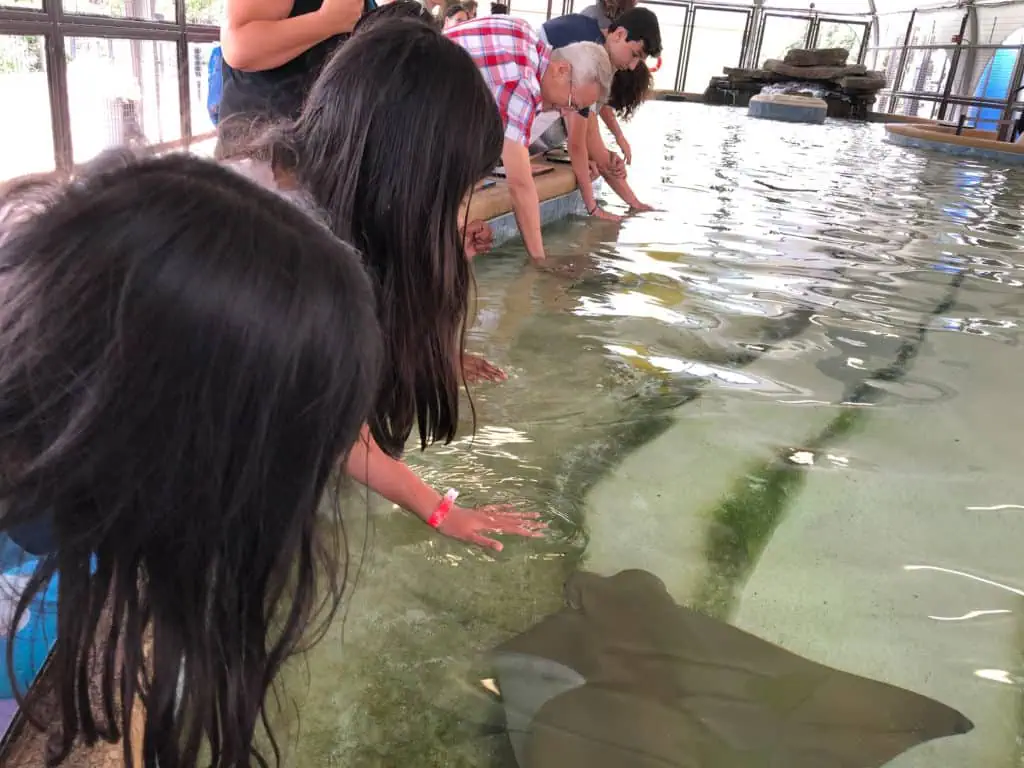
submerge themselves to feed sharks, stingrays and turtles, while
simultaneously answering your questions. While Caribbean Reef isn’t the
biggest attraction, it does do two things: it provides a place to rest
later on in the day, and with its central location, it becomes a good
meeting point should your group get separated.
FACTS
• A diver feeds the animals while talking with guests
• A 90,000-gallon circular habitat allows for maximum walk-around viewing.
• Caribbean Reef was built in 1971 on the site of Shedd’s very first
exhibit, the tropical pool.
|
|
|
WATERS OF THE WORLD EXHIBIT
Next on the agenda is Waters of the
World, which covers roughly ½ of the upper level at Shedd. Take my advice
and dive right in.
If you have ever wanted to visit the frozen waters of Northern Alaska or
the tropical waters of Northern Australia, now’s your chance. There are
over 75 distinct habitats on display at Waters of the World, from every
corner of the globe. This exhibit is broken into four main sections:
Rivers, Islands and Lakes, Local Waters, and Oceans and contains over 300
species of fishes plus iguanas, river otters and lobsters. Be sure to stop and
play with the nifty touch screens they have available. Not only will they
teach you about the animals you’re looking at, but also touch upon
subjects like environmental protection and the dangers of water pollution.
FACTS
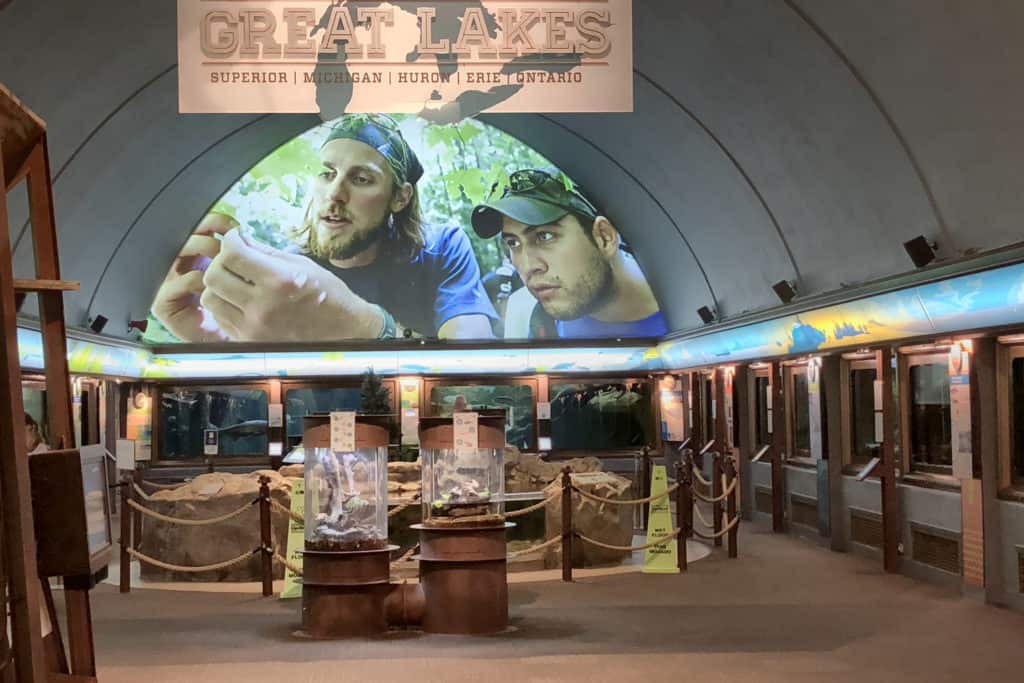
• Shedd’s original classic
barrel-vaulted galleries
• Hundreds of species of fishes plus river otters, lizards, frogs, turtles
and marine invertebrates
• Houses Shedd’s oldest resident, an Australian lungfish that arrived in
1933
|
|
|
AMAZON RISING EXHIBIT
Step inside the rainforests of South America and see how the lives of all
living things are affected when water levels rise to unbelievable new
heights. The motto for Amazon Rising is “Brought to you by the Floods” and
it’s easy to understand why when you learn that the rainforests get over 9
feet of rain per year (Chicago gets just under 3 feet). Amazon Rising is
dedicated to showing the various stages of flooding and how animals like
snakes, poisonous frogs and tarantulas adapt to the growing waters. Amazon
Rising is the most cleverly executed exhibit at Shedd Aquarium and is
worth an in depth look.
FACTS
• 8,600-square-foot walk-through
flooded forest created in two original galleries
• Habitat floodwaters peak at 6 feet
• 250 species including a giant snake, venomous ants and 73 kinds of
catfishes
| TIP: Bring
a camcorder. The Shedd has “no flash” and “no tripod” rules, and
with 90% of the fish and other animals in constant motion,
regular photographs will end up blurry. |
|
|
|
WILD REEF EXHIBIT
Coral
reefs are considered the oasis of the ocean because they are extremely
beneficial to the lives of fish, mammals and even humans. The main job of
these tiny animals (that’s right, coral is an animal) is to provide food,
shelter and protection for the creatures that make a reef their home. In
Wild Reef, through the use of interactive displays and a little bit of
your imagination, you’ll get to experience life as coral. See how they
start as tiny polyps the size of grains of sand and grow to coral colonies
that cover hundreds of square miles of ocean floor. There also more than
two dozen sharks lurking in this massive 400,000 gallon network.
FACTS
• 20 different habitats featuring 500 species
• The largest public display of live coral in the Midwest
• There are 4.8 million pounds of water in the Wild Reef exhibit
| TIP: $$$
It does cost extra to see Wild Reef, and is only available when
purchasing the Wild Reef Mini Pass, All Access Pass or VIP
Ticket", but your admission includes repeat visits and spending
as much time there as you like. See the Admission section below
for more details. |
|
 |
|
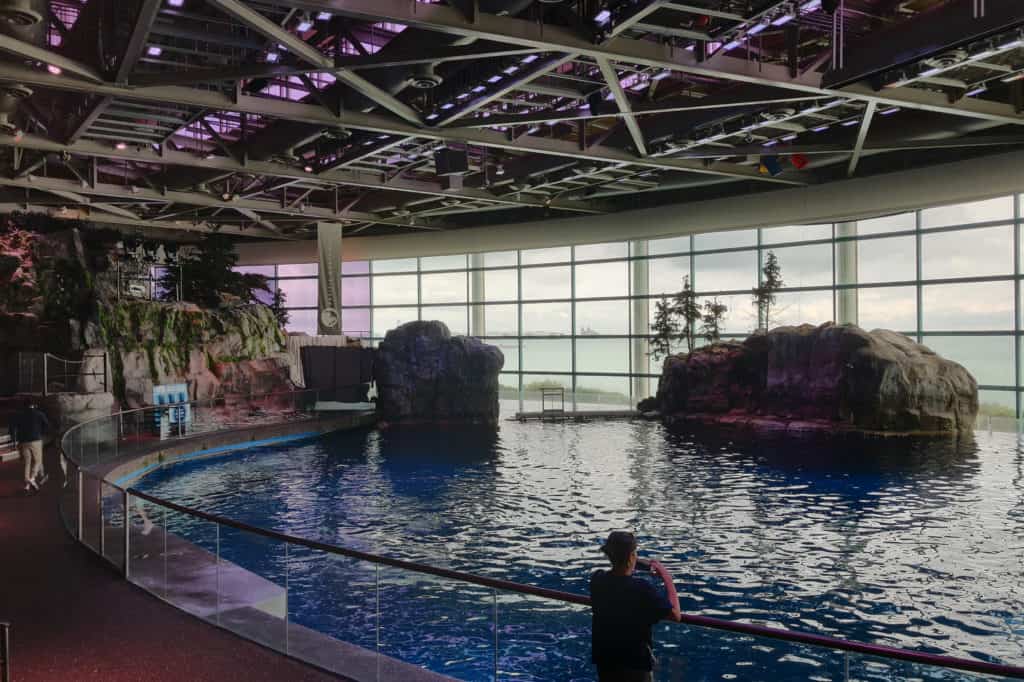
OCEANARIUM EXHIBIT
After you’ve come up for air, plunge into the Oceanarium to the see
biggest jumpers, the biggest jokers, and by far the biggest animals at
Shedd.
This marine palace boasts over 3,000,000 gallons of saltwater, making it
the largest indoor marine mammal habitat in the world. Divided into
several areas, the Oceanarium has animals that have elegance, agility and
even a sense of humor. In Secluded Bay you’ll encounter Beluga Whales, and
while weighing in at 3,000 pounds, Belugas are some the most agile
swimmers in the ocean. The underground viewing area lets you see how these
mammals glide gracefully below the surface.
Also underground is Penguin Shore, where you can watch not one, but two,
species of these flightless birds waddle along the rocks and frolic in the
water. If you see one of the Penguin staffers, ask them if you can feel
real Penguin feathers.
FACTS
• Contains 3 million gallons of salt water including a 35,000-gallon
veterinary pool
• Water temperature is a brisk computer-controlled 55 degrees
• 27 huge filters keep it all clean
|
 |
|
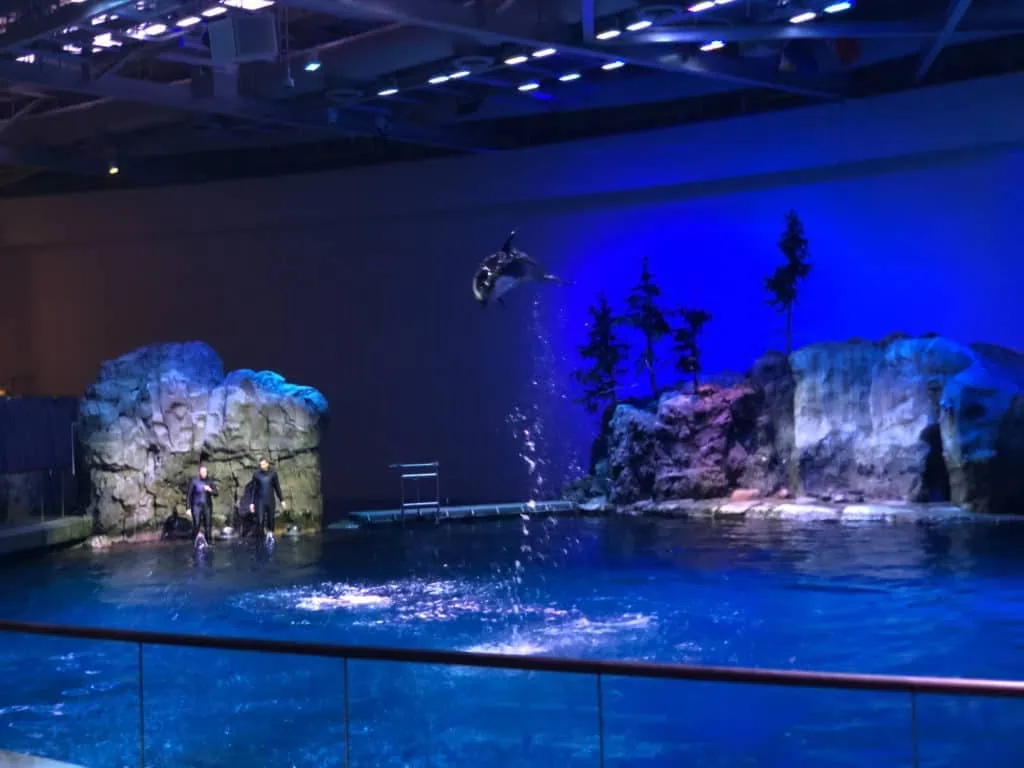
MARINE MAMMAL PRESENTATION
The one show that should be at the top of everyone’s list is the Marine
Mammal Presentation. Pacific White-Sided Dolphins (and their trainers) are
the stars of this spectacular show. First, the trainers will demonstrate
how the dolphins are taught to perform tricks using whistles, positive
reinforcement and about a hundred pounds of fish. These behind-the-scenes
glimpses prove to be the highlight of the show, while the finale, with
some extra surprises, provides the crowning touch to this must-see
attraction.
Admission to the Oceanarium and the
Marine Mammal Presentation does cost extra, and is only available when you
buy the All Access Pass or VIP Ticket. See the Admission section below for
more details. In my opinion, this single show is worth the price of
admission, plus you can return for as many encore performances as you
wish.
| TIP: No
matter when you see the show, you must show up at least 30
minutes ahead of time if you want to get a good seat. Plus,
depending on the crowds, the gates will close anywhere from
15-25 minutes before show time, so plan accordingly. |
IN CONCLUSION
The Shedd brings the waters of the world
to you, plus the animals that live in them. You could take dozens of
vacations and never see as many creatures as you will in just a few hours
at Shedd Aquarium. With over 22,000 aquatic animals from every corner of
the globe, this indoor water sanctuary has something for everyone and you
won’t leave disappointed.
|
|
|
SPECIAL EVENTS
Lizards and the Komodo King – April 8, 2006 – February 28, 2007
See lizards of all shapes, sizes and colors in this temporary exhibit
running through early 2007. The senior member of this group is a Komodo
Dragon named Faust. Weighing in at 135 pounds, and able to devour animals
twice his size in less than an hour, this giant lizard’s ancestry dates
back to the age of the dinosaurs.
FACTS
• Lean and lithe, the 12-foot crocodile monitor hangs out in trees.
• Insect-munching Tokay geckos are welcome additions to many tropical
households in Southeast Asia.
NOTABLE
Seasoned Saturdays – Show up on the second Saturday of every month
and get expert instruction from top chefs on how to prepare delectable
seafood dishes at home.
Tots on Tuesday – Each Tuesday features a day full of activities
for kids including story times, crafts, animal touch programs, videos,
costumed characters, dancing and singing.
Admission
There are different types of admission at Shedd. Here is a list of the
choices and the attractions included:
|
ADMISSION OPTIONS |
Caribbean
Reef |
Waters of
the World |
Amazon
Rising |
Wild Reef |
Oceanarium |
No Waiting
in Line |
|
Aquarium
Only |
X |
X |
X |
|
|
|
|
Wild Reef
Mini Pass |
X |
X |
X |
X |
|
|
|
All Access
Pass |
X |
X |
X |
X |
X |
|
|
VIP Tickets |
X |
X |
X |
X |
X |
X |
My advice is purchase the All Access
Pass. If you are on a time crunch then the VIP Tickets will be a wise
investment.
| TIP: If
you're spending the whole day on Museum Campus and seeing other
attractions, I would consider investing in the Go Chicago
Card. Not only do you get to see all the exhibits at Shedd
Aquarium, but you also get to skip the lines on the way in. |
Parking at Shedd
Parking on the Museum Campus is $15 per day. There is an early bird rate
of $10 for cars arriving before 9:30am and leaving before 9pm. There are
also remote lots available for $8 should the main lots fill up.
Dining at Shedd
Bubble Net: For the landlubbers in your group, Bubble Net offers
Pizza Hut pizzas, sandwiches, burgers and salads.
Soundings: Fresh seafood is the catch of the day at Soundings.
Besides featuring first rate table side service, the menu includes many
varieties of fish; wine and cocktails are available.
TIP: Do’s
and Don’ts -- Things to think about before you visit:
DO think about visiting in the afternoon, when the crowds
have diminished.
DON’T visit when the Chicago Bears are playing at Soldier
Field; there’s no museum parking available and overall it will
be a very crowded day.
DO see the dolphin show before anything else.
DON'T forget to check the hours of your parking lot. Some
close as early as 5pm.
DO bring your own lunches if you are on a budget.
DO try to visit the other museums located on the Museum
Campus (Field Museum
and
Adler Planetarium) before or after seeing Shedd. Make the
most of your day by seeing as much as you can.
DO consider using public transportation and DO buy
prepaid bus passes. It means cheaper rides and 25-cent
transfers. |
WEB LINKS
|

|
|